



Combi-Tiller MKII
Subsoiler for All Soil Types
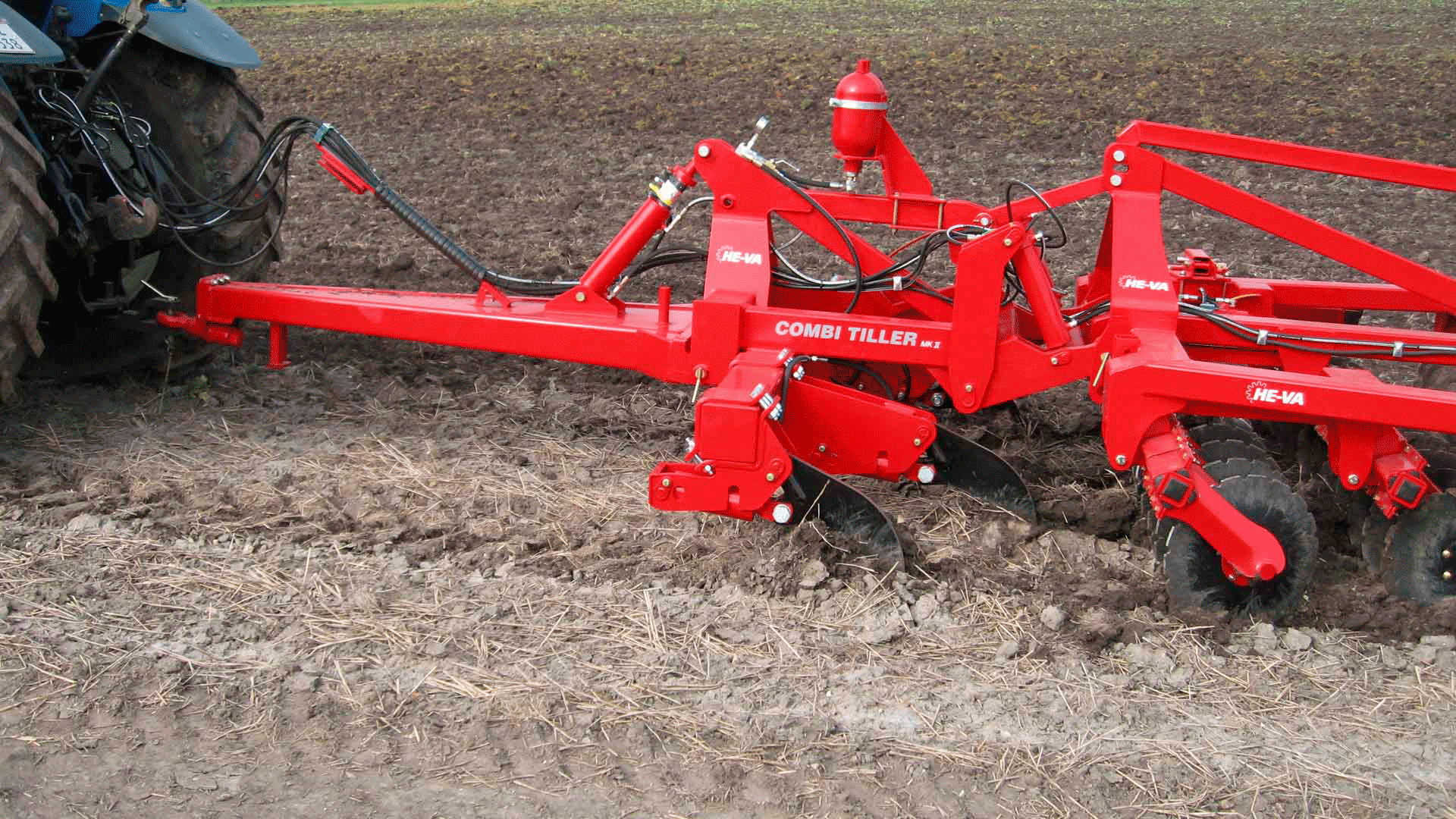
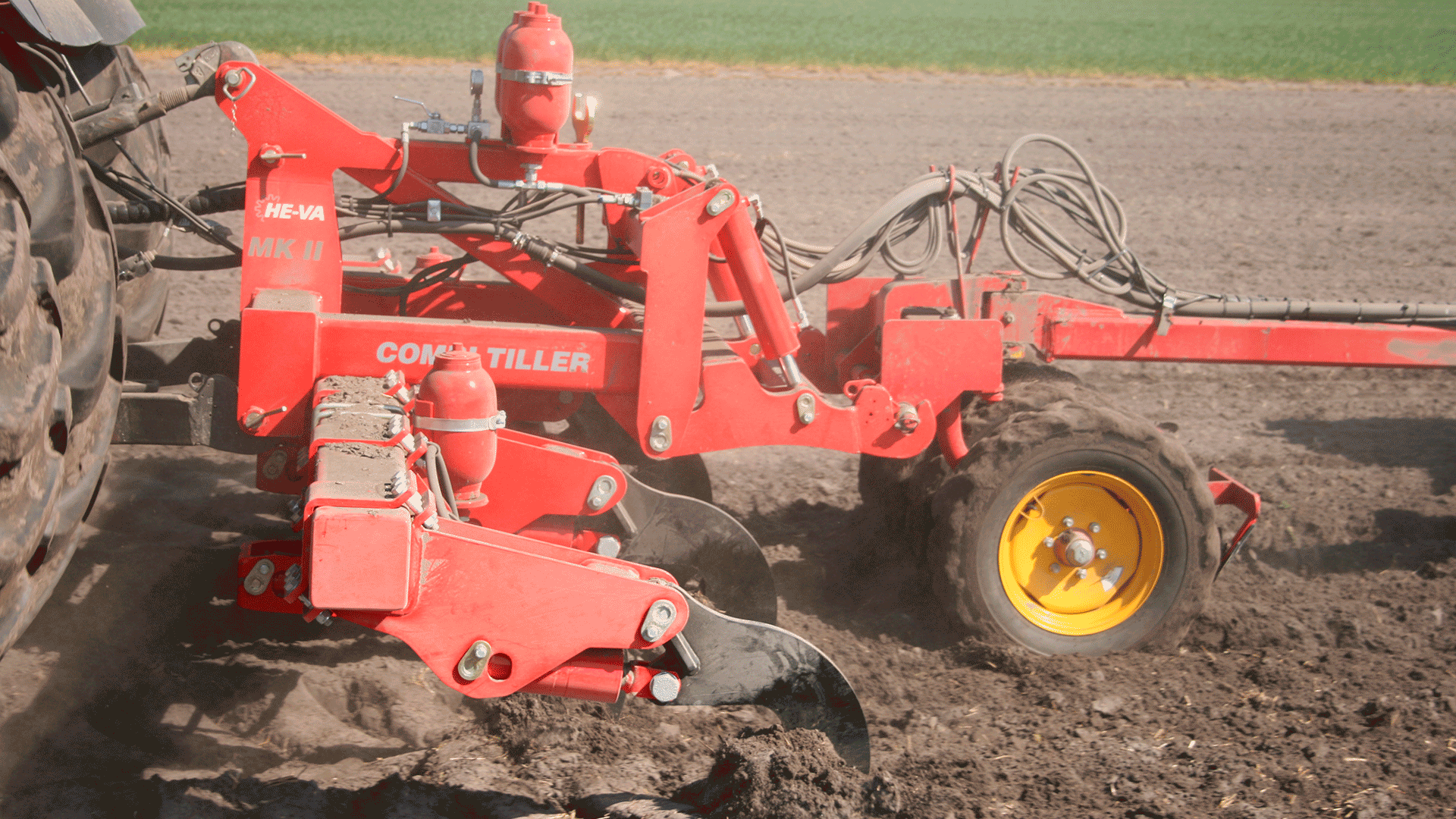
The Combi-Tiller MKII lifts and fractures the soil effectively, breaking up compacted layers while aerating the soil without bringing raw subsoil to the surface.
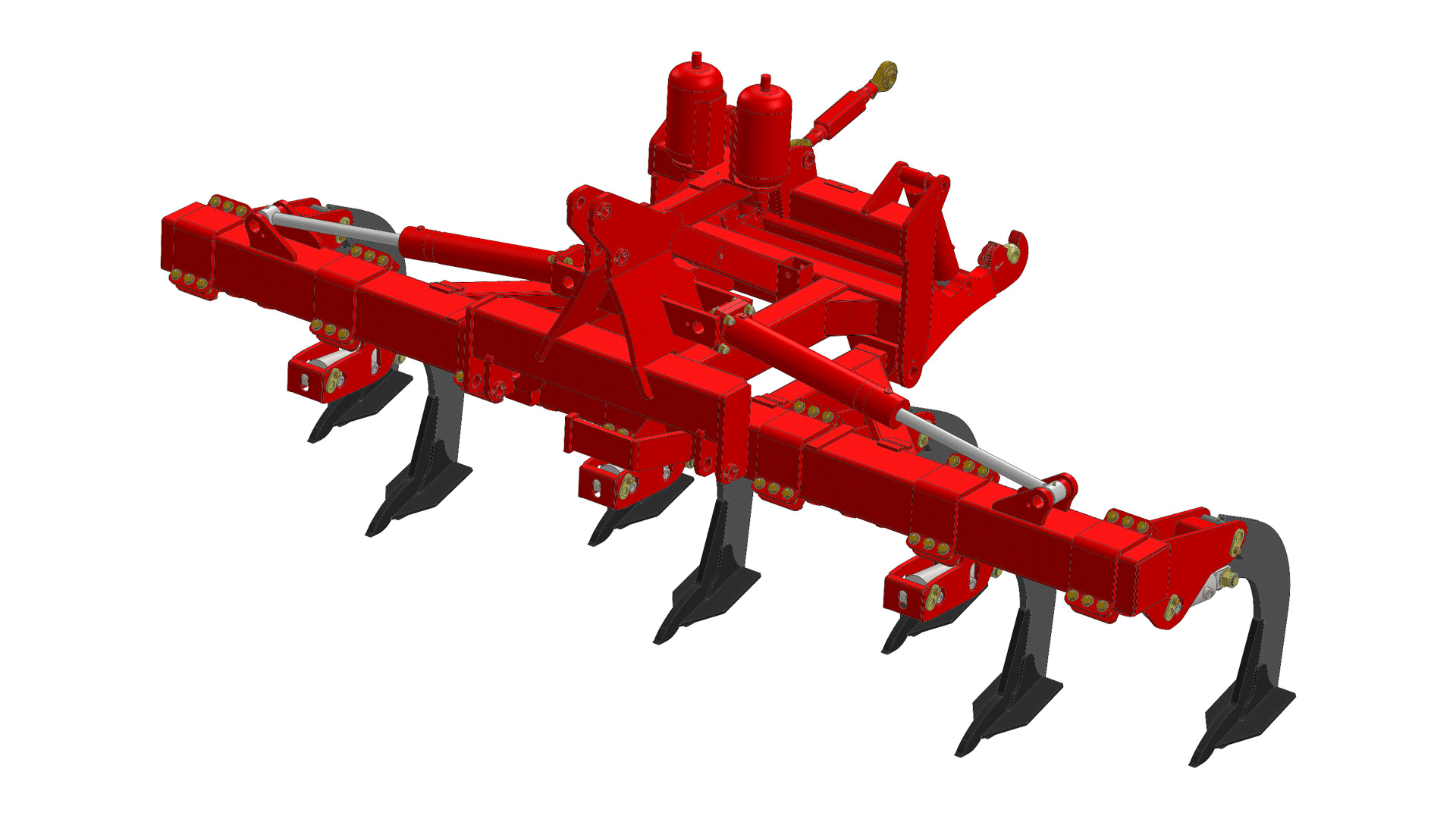
The Combi-Tiller MKII is developed from the standard Combi-Tiller MKI subsoiler, but with additional features and benefits for the more demanding user. The tines are staggered, making it easier to pull, and it is available with different numbers and types of points to suit even the most difficult soil conditions.
Great Flexibility in the Field
The Combi-Tiller MKII can advantageously be used both solo and in combination with other agricultural implements.
Subsoiling
The Combi-Tiller MKII is highly effective for solo subsoiling, leaving the soil loose and unconsolidated.
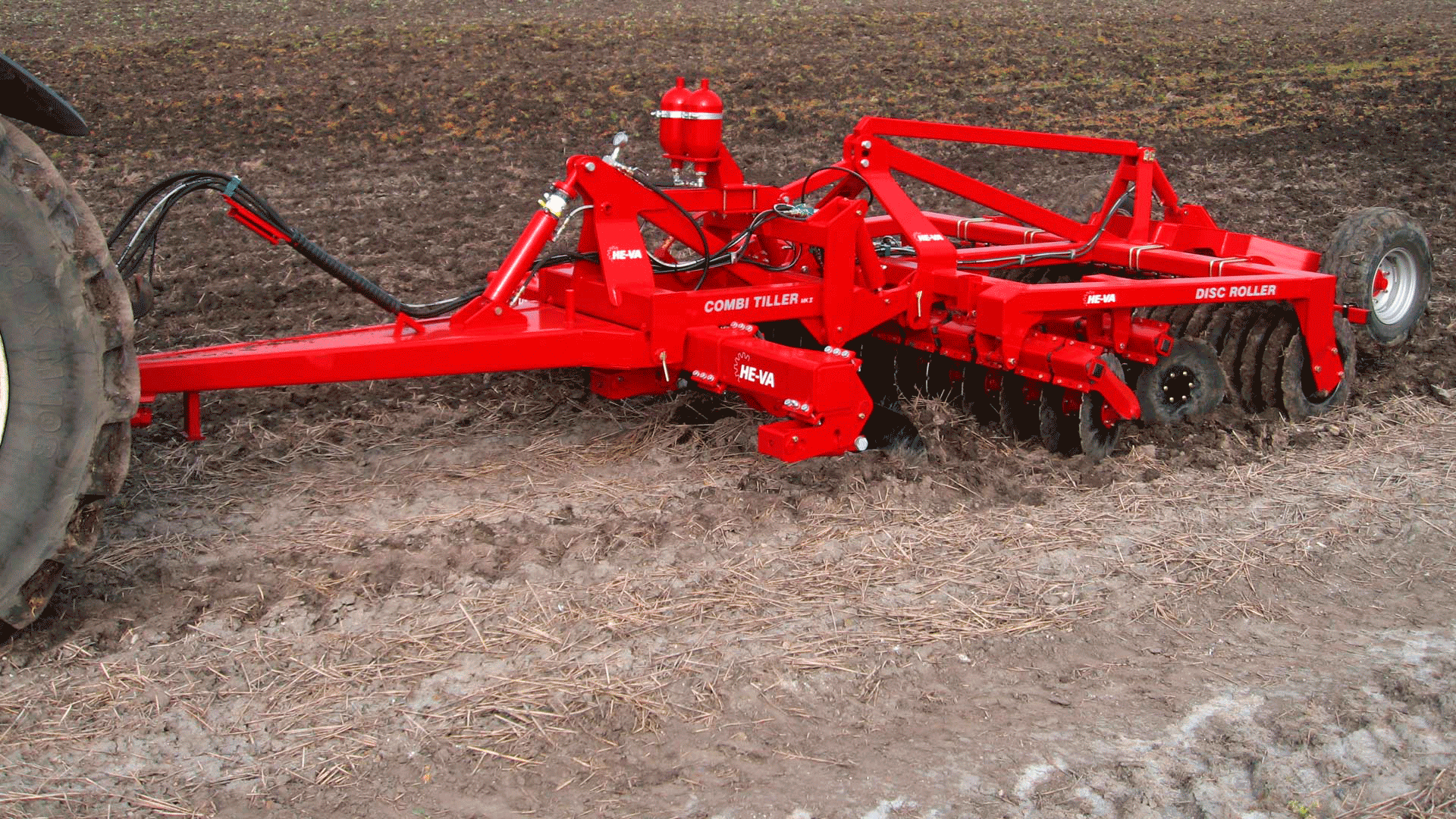
When combined with stubble equipment such as the Disc-Roller Classic, with the discs lifted clear of the soil, the soil is loosened while the surface is cultivated, levelled and reconsolidated.
False Seedbed / Seedbed Preparation in Ploughed Soil
Mounted in front of a Disc-Roller Classic or Disc-Roller Contour, with the tines lifted clear of the soil, the Combi-Tiller MKII mixes straw and plant residues into a false seedbed. The roller on the Disc-Roller reconsolidates the soil and seeds, creating optimal conditions for rapid emergence.
Mounting the Combi-Tiller MKII in front of the stubble equipment increases the overall implement weight behind the tractor, which is advantageous when cultivating newly ploughed fields and extremely hard soil conditions.
Seedbed Preparation
Combined with a Disc-Roller Classic or Disc-Roller Contour, the points on the Combi-Tiller MKII loosen and aerate the soil before the discs on the Disc-Roller mix and cultivate the soil at seeding depth. The roller then reconsolidates the soil and creates an airy seedbed.
Sowing
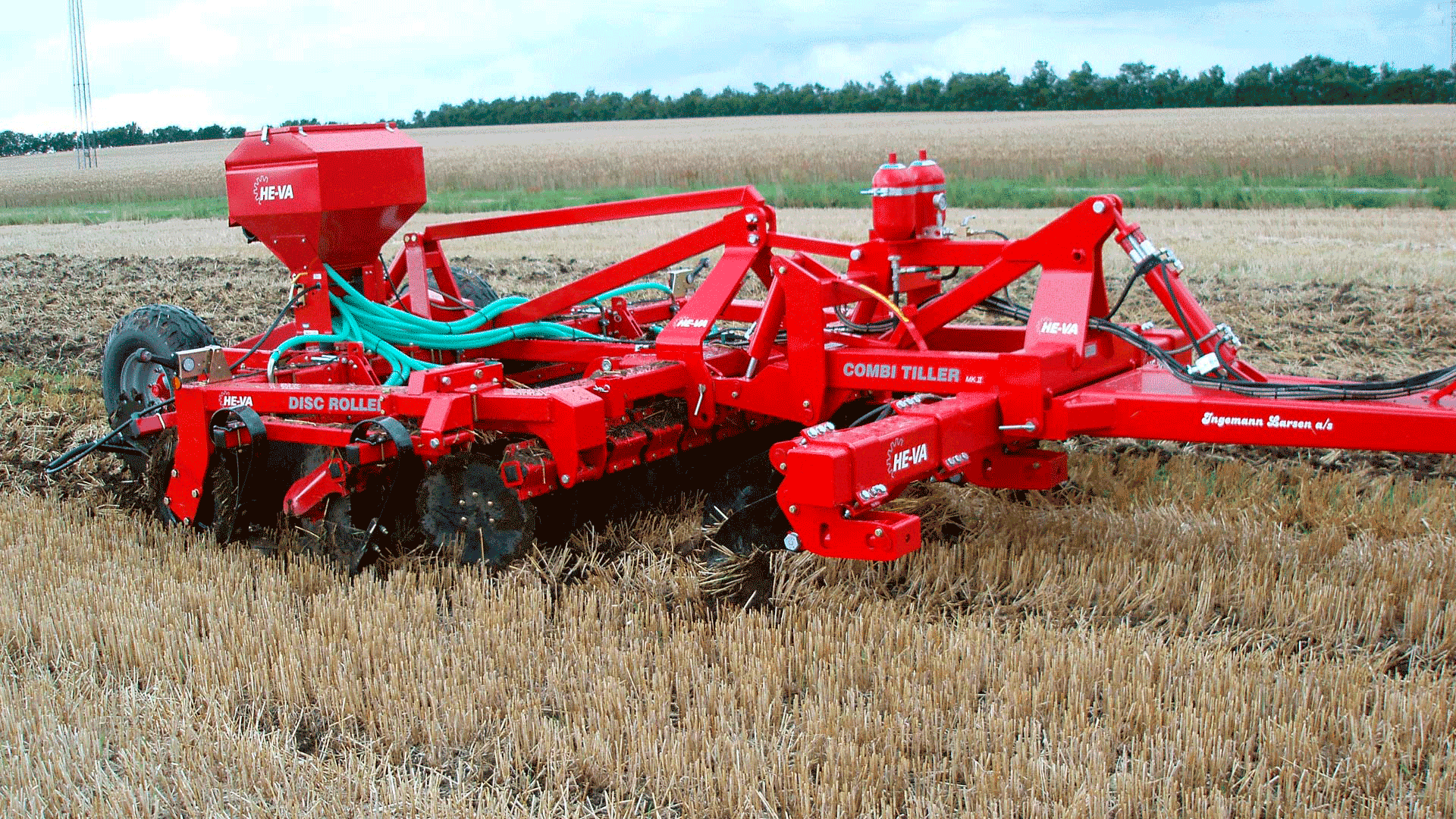
Combined with a Disc-Roller fitted with Multi-Seeder equipment, the Combi-Tiller MKII allows simultaneous subsoiling, reconsolidation and seeding. When seeding oilseed rape, subsoiling improves growth conditions and promotes stronger root development.
Stone Protection for Different Soil Types
The Combi-Tiller MKII is available with two types of stone protection — Hydraulic Stone Protection and Quick-Push Stone Protection — depending on soil type and operational requirements.
Hydraulic Stone Protection
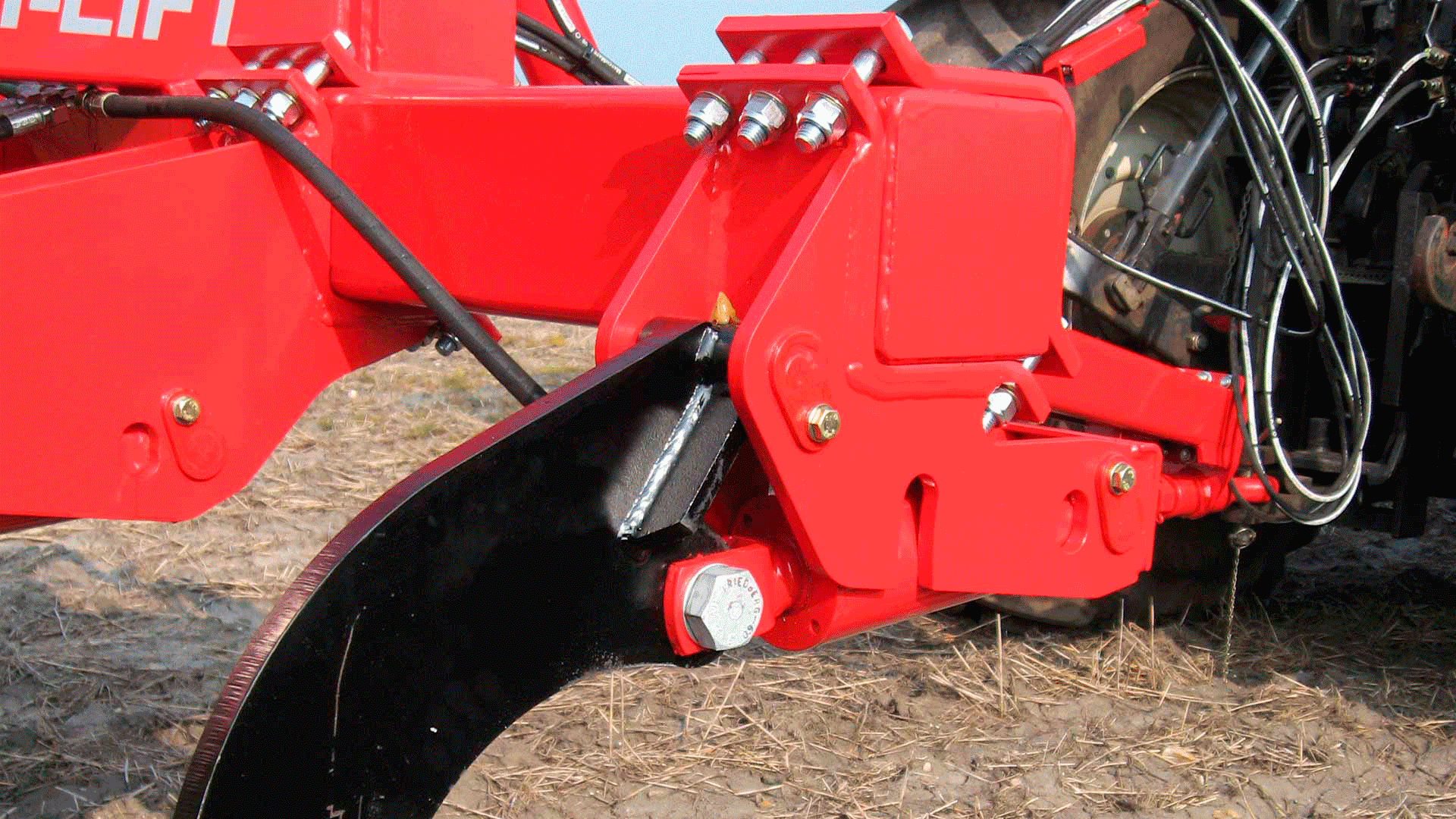
For hard soil conditions and operation with larger implements and seeders, Hydraulic Stone Protection ensures high field efficiency. The system automatically protects the subsoiler against overload. If a point strikes a stone, the protection system is activated, the point lifts automatically and then returns to working position.
Quick-Push Stone Protection
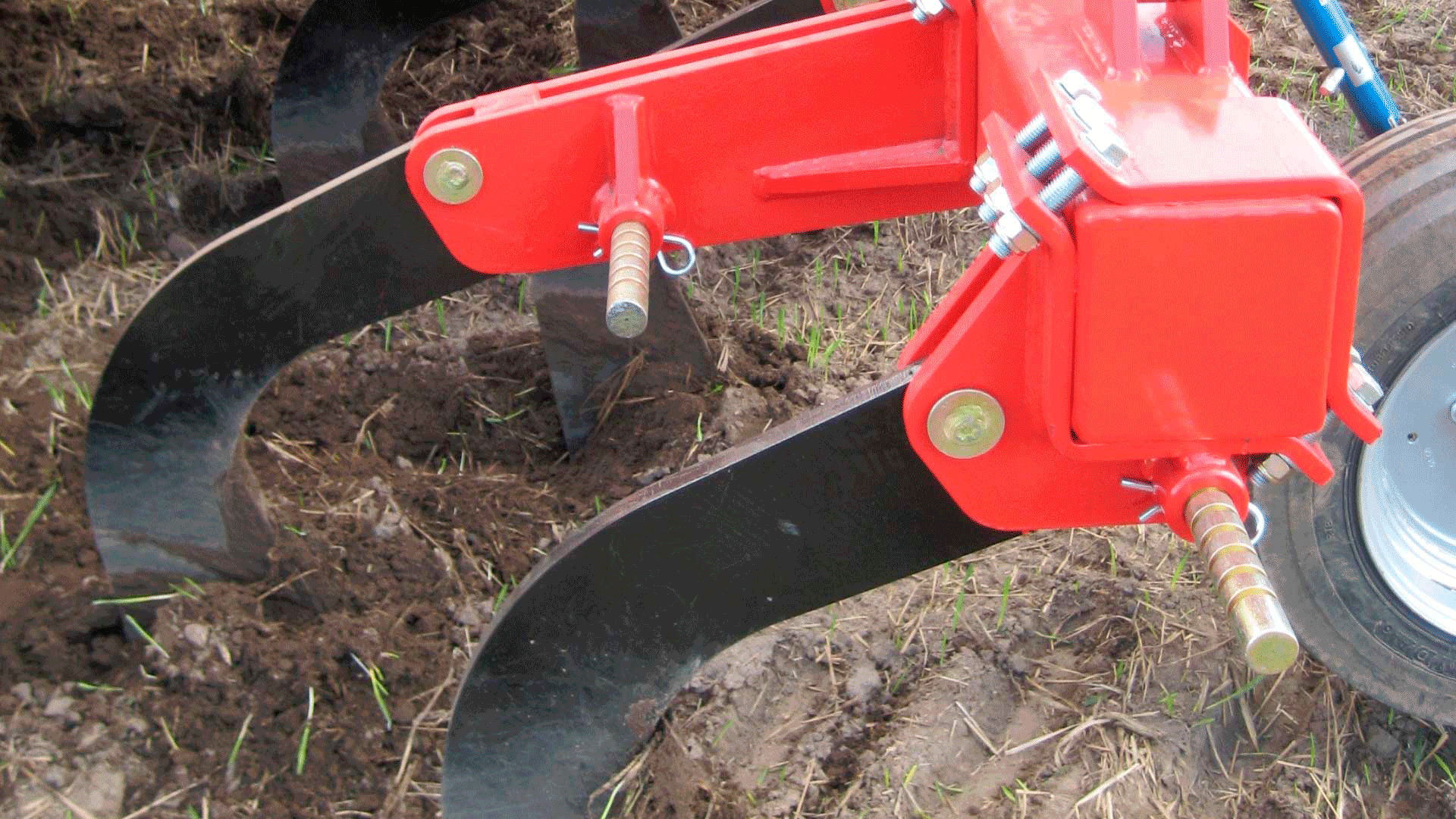
For stone-free loam soils, smaller acreages and operation with lighter implements behind the subsoiler, Quick-Push Stone Protection is often recommended. It consists of a shear bolt that breaks upon impact with a stone. To continue working, the operator simply pushes a new section of the bolt into position.